Lebanon Today
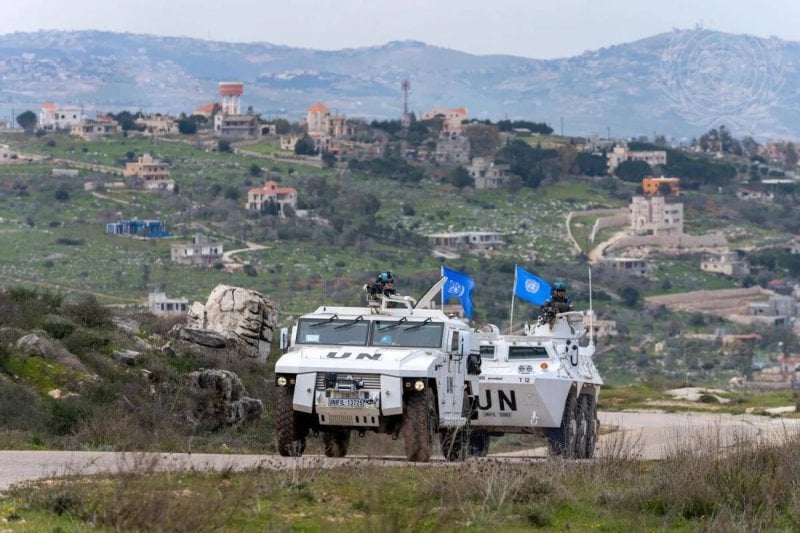
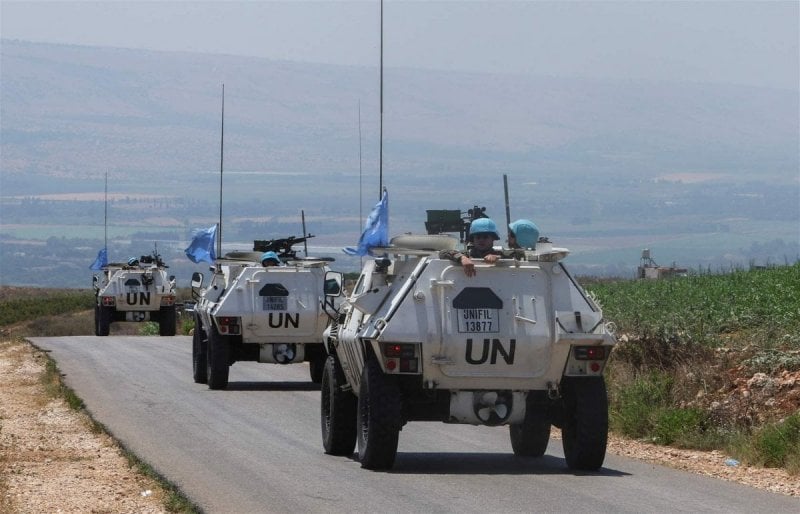
Warning messages from Washington precede the arrival of the American envoy “Morgan Ortagus,” who returns to the region to oversee the security situation closely, through the mission of the committee overseeing the implementation of the cessation of hostilities. This committee seems unable to provide any serious assessment or effective approach to reduce the repeated Israeli attacks. The situation seems stuck between Israeli talk about Hezbollah rebuilding its military capabilities, and Hezbollah’s confirmation of its refusal to surrender weapons in northern Litani.
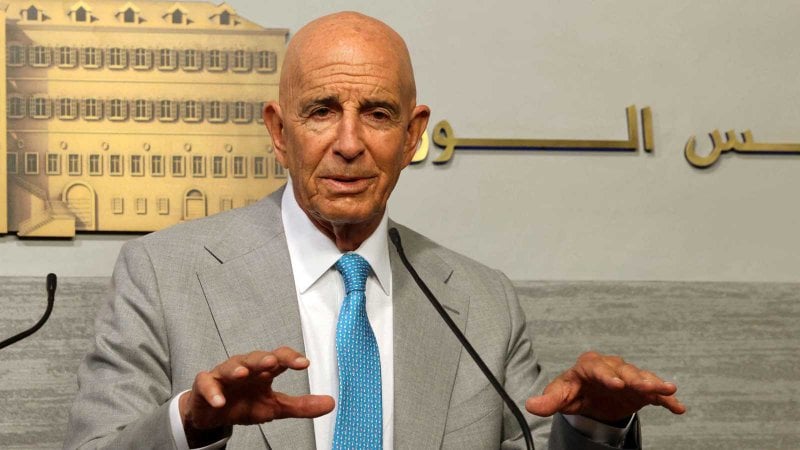
It is natural for this mobilization to come after the Israeli maneuvers on the border with Lebanon, which took on the character of a threat of war again, revealing the “weakness of the guarantees” that Lebanon obtained in exchange for its commitment to international resolutions. Well-informed diplomatic circles believe that the indicators derived from the statements of American officials in recent weeks about the Lebanese situation confirm a clear dissatisfaction with what it describes as “slowness in implementing the government’s plan to confine weapons.” The recent words of Ambassador “Tom Barack” about Lebanon were only a model of what the pace of American pressure on Lebanon, and not on Israel, will be in order to abide by the ceasefire resolution and establish stability on both sides of the southern borders.
Those concerned in Lebanon believe that it is natural for the party to take measures to restore its military structure, according to what deputies and officials in the party repeat. However, diplomatic circles find it unacceptable for the issue of Hezbollah’s weapons and the Israeli war to turn into a threat to the Lebanese reality in all its details, and to remove it from the list of international concerns, especially with the approaching end of this month, which carries important regional entitlements.
While Washington, under direct presidential supervision from the White House, is following up on the ceasefire in Gaza, a question arises with the escalation of tension in Lebanon: “Is Washington tired of the Lebanese file?” The circles confirm that there is an American insistence on implementing the “weapons exclusivity” plan, and this is reflected in the hinting at various measures, considering that Lebanon’s time is passing, especially with the approach of the first anniversary of the ceasefire agreement, without moving to the second phase of this agreement.
From here, and on the sidelines of the current American focus on the “Mechanism” committee, the security obsession has become at the forefront of the scene in Washington, which prompted an Arab diplomatic move whose goals converge with the American and French goals, which is to stop the escalation of the recent Israeli escalation into a large-scale war against the party and Lebanon. It is useful for official Lebanon to take the harsh words of the envoy “Barack” seriously, after he departed from diplomacy to send a clear message to the Lebanese, before they reach the point of no return with Israel.
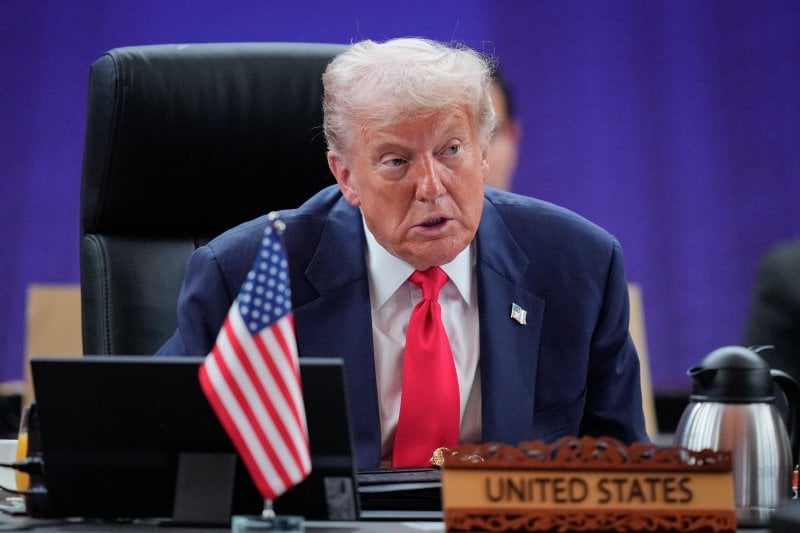
It is no longer a secret that the greatest American care is focused on Israel and its interests through “weapons exclusivity” and not on Lebanon, despite its rejection of any sabotage of the stability of the Lebanese internal arena. The circles say that it is urgent for the Lebanese to change the old method of dealing with the American firmness, and to move from the approach of cutting the stage and buying time waiting for “Trump’s fatigue,” to confronting reality by adopting appropriate solutions, and starting to implement the comprehensive reform agenda.
source: 961 today